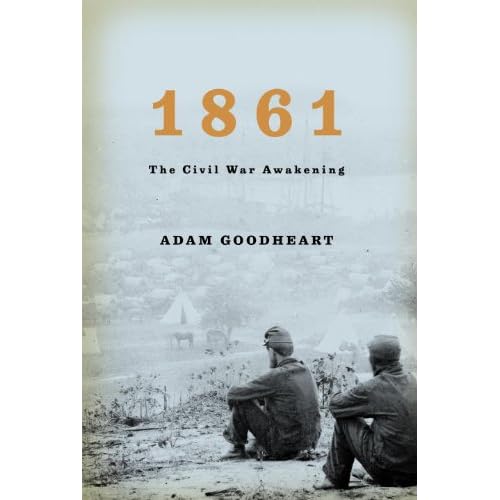
 A fantastic New York Times article -- yes, I said it -- adapted from Adam Goodheart's book 1861: The Civil War Awakening. The article details how a northern military commander, Major General Benjamin Franklin Butler, forced Abraham Lincoln to actually confront the issue of slavery and compelled the Emancipation Proclamation.
The article is timely in that it shows how decisions made by small, relatively (and previously) unknown citizens, clerks and bureaucrats can determine the fate of the larger world. A clerical error and an East German commander who couldn't get anyone on the phone brought down the Berlin Wall. A Tunisian fruit vendor who refused to pay a bribe sets off the revolution currently rocking the Arab world. And a fort's commander who couldn't get a straight answer from politicians -- sound familiar? -- formed the philosophy and established the practice that freed slaves in America.


No comments:
Post a Comment